

Decoding the Secrets of the Masonic Mystery Plot Analysis
- James D. A. Terry

- Jan 13
- 5 min read
Have you ever found yourself curled up with a mystery novel, heart pounding, eyes darting across the page, wondering what hidden truths lie beneath the surface? Well, I have, and let me tell you, diving into the world of masonic mystery plot analysis is like stepping into a labyrinth of symbols, secret codes, and whispered legends. It’s a journey that tickles your curiosity and challenges your detective instincts all at once. So, grab your magnifying glass and a cup of tea, because we’re about to unravel the enigmatic threads of one of the most intriguing storylines out there.
The Allure of Masonic Mystery Plot Analysis
Why do stories wrapped in Masonic lore captivate us so much? Maybe it’s the blend of history, secrecy, and symbolism that feels like a puzzle begging to be solved. When you start peeling back the layers of a masonic mystery plot analysis, you realize it’s not just about the plot twists or the characters’ motives. It’s about the rich tapestry of symbols and rituals that add depth and texture to the narrative.
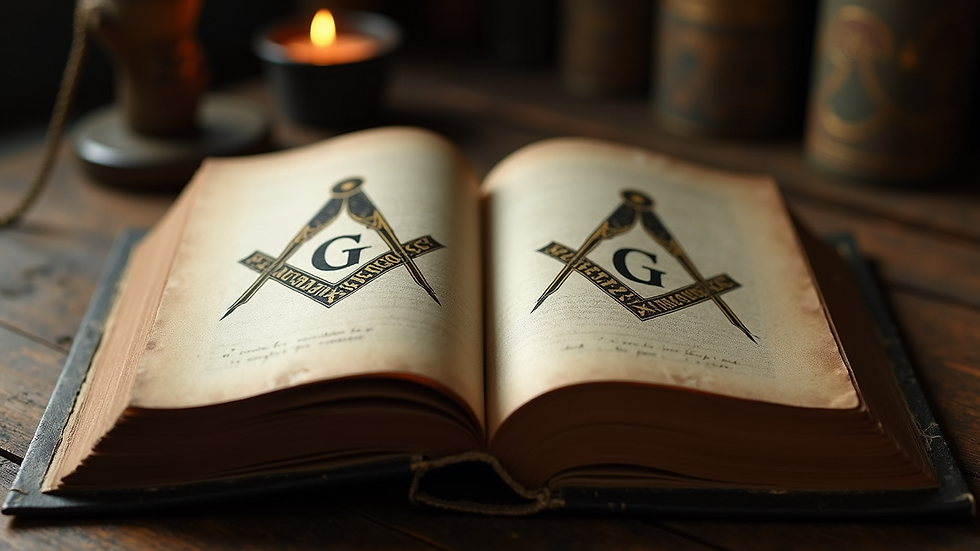
Take, for example, the way authors weave in Masonic symbols like the compass, square, or the all-seeing eye. These aren’t just decorative elements; they serve as clues, guiding readers through the story’s hidden meanings. It’s like the author is winking at you, saying, “If you know where to look, you’ll find the secret.” And isn’t that a delicious invitation?

The beauty of this kind of plot analysis is that it invites you to become a participant, not just a spectator. You start noticing patterns, decoding messages, and piecing together the puzzle. It’s a bit like being handed a secret map and told, “Go on, find the treasure.”
Unpacking the Layers: A Deep Dive into Masonic Symbolism
Now, let’s get a little more hands-on. When you’re analyzing a Masonic mystery plot, it helps to understand the core symbols and what they represent. Here are a few key players you’ll often encounter:
The Square and Compass: Representing morality and virtue, these tools remind characters (and readers) to measure their actions carefully.
The All-Seeing Eye: A symbol of divine watchfulness and enlightenment, it often hints at hidden knowledge or surveillance.
The Pillars: Usually two, symbolizing strength and establishment, they can represent gateways or thresholds in the story.
The Number Three: A recurring motif, often linked to balance, harmony, and the triad of body, mind, and spirit.
Understanding these symbols can transform your reading experience. Suddenly, a seemingly random detail—a character fiddling with a ring, a mysterious emblem on a door—takes on new significance. It’s like the story is speaking a secret language, and you’re learning to understand it.
What does 3-5-7 mean in masonry?
If you’ve ever stumbled upon the numbers 3, 5, and 7 in a Masonic context, you might have wondered what they signify. These numbers are far from arbitrary; they carry deep symbolic weight in Masonic tradition.
3: Often represents the three degrees of Masonry—Entered Apprentice, Fellowcraft, and Master Mason. It also symbolizes balance and the triune nature of many concepts.
5: This number is linked to the five senses, the five points of fellowship, and sometimes the five orders of architecture, which are important in Masonic teachings.
7: Considered a sacred number, it can represent the seven liberal arts and sciences, the seven steps to enlightenment, or the seven pillars of wisdom.
In a mystery plot, these numbers might appear as codes, chapter titles, or even the number of clues you need to solve the puzzle. Recognizing their significance can give you a leg up in decoding the story’s deeper meanings.
How to Approach Your Own Masonic Mystery Writing
Feeling inspired to craft your own tale steeped in Masonic intrigue? Fantastic! Here are some practical tips to get you started:
Research Thoroughly: Dive into Masonic history, symbols, and rituals. Authenticity adds richness and credibility to your story.
Use Symbols Wisely: Don’t overload your plot with every symbol you find. Choose a few meaningful ones and weave them naturally into the narrative.
Create Multi-Dimensional Characters: Masonic stories often explore themes of secrecy, loyalty, and morality. Let your characters embody these conflicts.
Build Suspense Gradually: Drop subtle hints and clues that reward attentive readers without giving away the ending too soon.
Engage the Senses: Describe settings and scenes with vivid sensory details to immerse your readers fully.
Remember, the goal is to invite readers into a world that feels both mysterious and believable. A little gentle humour and warmth can go a long way in making your story approachable and enjoyable.
Why ‘Operation Masonic Mystery’ Captivates Readers
Now, I can’t resist mentioning the intriguing Operation Masonic Mystery that’s been making waves in the mystery community. What makes it so compelling? It’s the perfect blend of historical intrigue, secret societies, and a plot that keeps you guessing until the very last page.
What I love most about this story is how it respects the intelligence of its readers. It doesn’t spoon-feed answers but encourages you to think, question, and explore alongside the characters. Plus, the subtle humour sprinkled throughout keeps the tone light enough to enjoy, even when the stakes are high.
If you’re looking for a story that challenges your mind and tickles your imagination, this one’s a must-read. And if you’re an aspiring author, it’s a brilliant example of how to balance complexity with accessibility.
Bringing It All Together: Your Next Steps in the Masonic Mystery World
So, what’s next for you after decoding these secrets? Whether you’re a reader hungry for your next great mystery or an author eager to craft your own, here are some actionable steps:
Join a Community: Platforms like The Reading Room offer a fantastic space to connect with fellow mystery lovers and authors. Sharing insights and theories can deepen your appreciation.
Keep a Symbol Journal: As you read or write, jot down symbols, numbers, and motifs you encounter. Over time, you’ll build a personal reference that enriches your understanding.
Experiment with Writing Prompts: Try crafting short scenes or stories using Masonic symbols or themes. It’s a fun way to practice and spark creativity.
Attend Talks or Workshops: Many literary events explore mystery writing and symbolism. These can provide fresh perspectives and inspiration.
Remember, the world of Masonic mysteries is vast and inviting. Each story is a doorway to new adventures, and with a little curiosity and patience, you’ll find yourself uncovering secrets you never knew existed.
I hope this little journey into the heart of masonic mystery plot analysis has sparked your curiosity and given you some handy tools to explore further. After all, every great mystery starts with a question - and maybe, just maybe, you’re the one who will solve it next. Happy reading and writing!


Comments